I-Drive Maps Out $5.5 Billion in Orlando Development |
Hotels, attractions, dining and housing keep reshaping the tourism corridor |
Tourism development along International Drive is entering another major cycle, with roughly $5.5 billion in new development and redevelopment identified for 2026 and beyond.
The latest district update shows a corridor continuing to add hotels, restaurants, attractions, retail and residential projects even after decades as one of Orlando's busiest visitor zones.
International Drive is no longer simply a strip of hotels and souvenir shops, and the current pipeline reinforces how much the area has diversified.
Recent and planned projects range from dining additions at established complexes to apartments and major entertainment investments.
The scale matters because I-Drive functions as both a tourism engine and a workplace for thousands of Central Florida residents.
Changes along the corridor influence jobs, traffic, transit demand and the experience visitors carry home after a trip to Orlando.
The district's development materials point to billions of dollars in activity, but that headline number is best understood as a pipeline rather than a single construction project.
Some projects are complete, others are under construction and still others remain planned for future years.
Among the corridor's continuing changes are new restaurant concepts, hotel investments and entertainment destinations designed to keep visitors spending time beyond the theme-park gates.
Residential construction is also part of the picture, reflecting the gradual evolution of areas once designed almost entirely around tourists.
Orlando tourism corridor growth creates opportunity for businesses, but it also places additional pressure on roads and transportation systems that already carry heavy daily traffic.
The I-Ride Trolley, nearby bus service, and future mobility improvements become more important as the number of destinations and workers increases.
For locals, the central question is whether investment in attractions and buildings is matched by investment in moving people efficiently.
International Drive also competes with newer entertainment districts around Central Florida, giving property owners a strong incentive to refresh older sites and introduce concepts that feel current.
That competitive pressure can benefit visitors and residents when aging properties are reinvested in rather than left behind.
At the same time, construction can create short-term inconvenience, and large projects can alter familiar parts of the corridor quickly.
Watching which proposals actually open will provide a clearer measure of the corridor's momentum than the pipeline total alone.
For Morning Orlando readers, the $5.5 billion figure is a useful signal: International Drive remains one of the region's most active development zones, and the changes underway will shape both Orlando's visitor economy and everyday local life. |
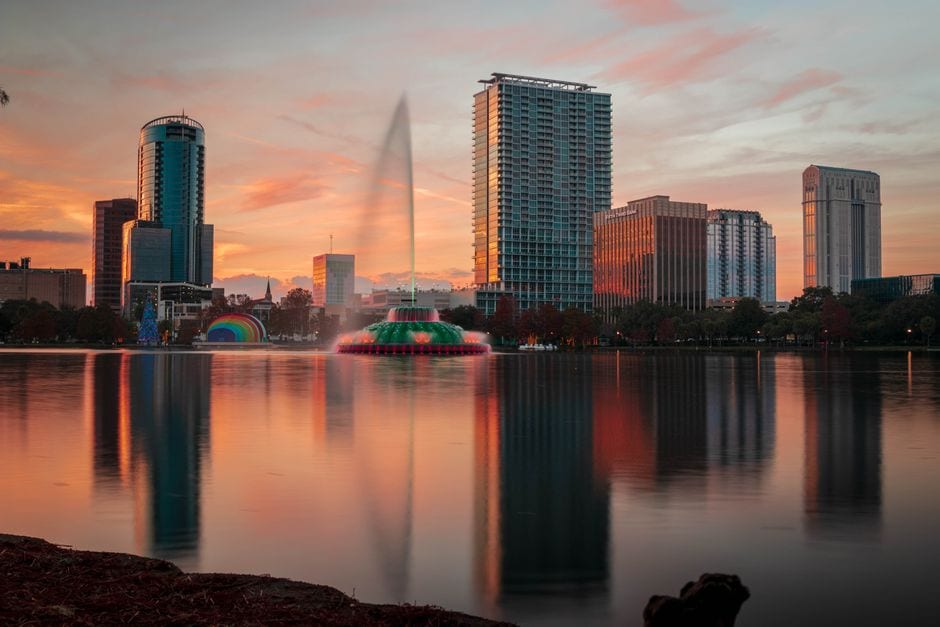 Photo by M-DESIGNZ LLC on Pexels |
0 Comments
Join the conversation
Be the first to comment
Share your thoughts above.